
MANAGING MENSTRUAL
DISORDERS
If you’re having to pack extra clothes for work, cancelling exercise, avoiding social plans, tracking your cycle or trying to figure out why your period suddenly feels different, you’re likely managing a menstrual disorder.
Heavy bleeding, painful periods, irregular cycles or bleeding between periods can make normal life hard to plan. Dr Jessica Holden helps women find the cause of their symptoms, understand what has changed and identify which treatment options suit their health, lifestyle and fertility plans.
Ask your GP for a referral to Dr Jessica Holden at Coastal Women’s Healthcare for specialist gynaecology care across the Bass Coast and Phillip Island.
Ask your GP for a referral to Dr Jessica Holden or contact my friendly team to arrange your appointment.
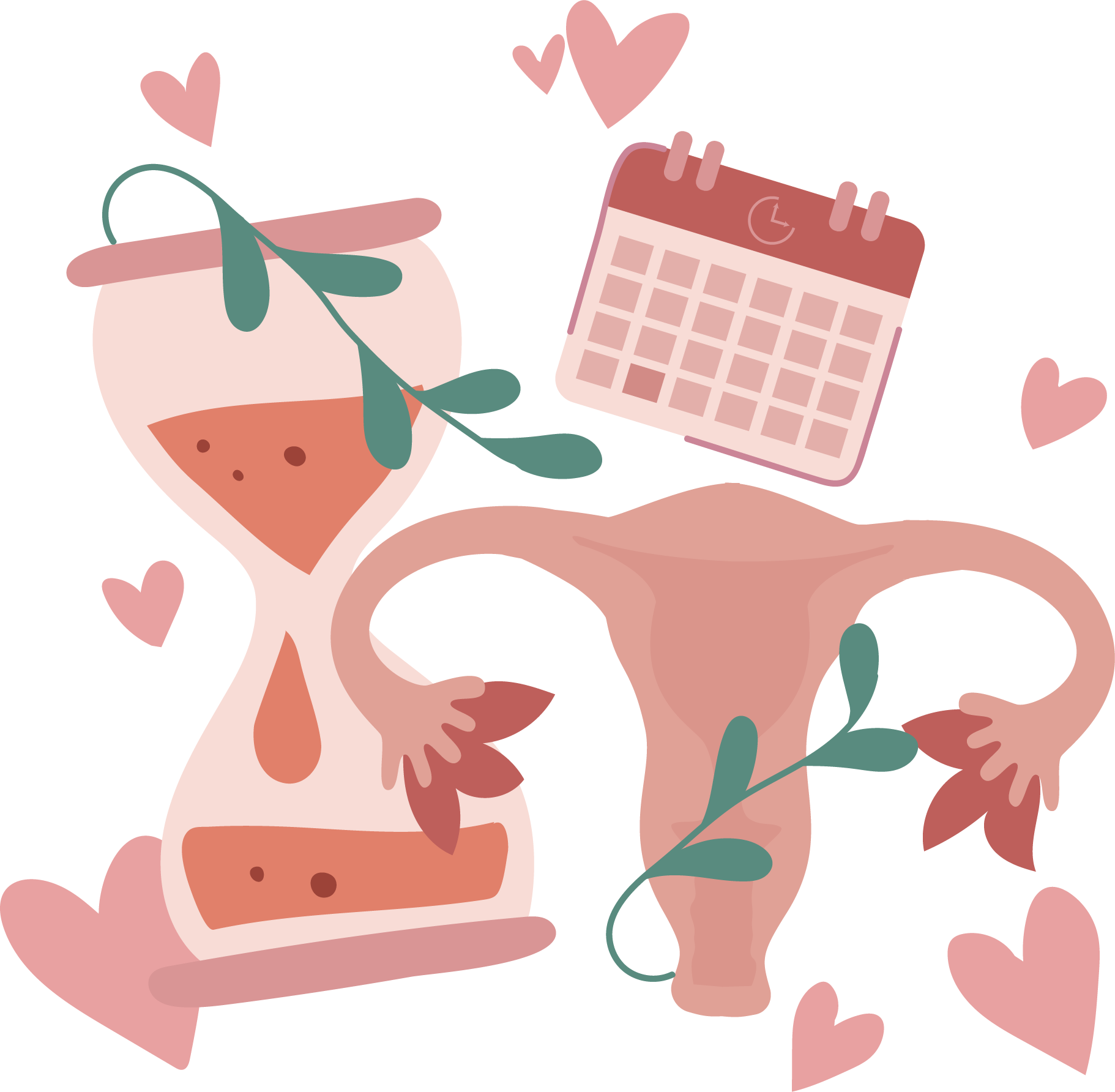
A menstrual disorder is a problem with your period pattern, flow, pain or bleeding that affects your usual cycle or daily life.
A typical menstrual cycle is around 21 to 35 days, with bleeding for around 3 to 7 days. There are plenty of variations from person to person, so the main concern is if there is a change from your normal pattern, symptoms are hard to manage or bleeding feels excessive.
Menstrual disorders can include heavy periods, painful periods, irregular cycles, missed periods or bleeding between periods.
What is a menstrual disorder?
Common types of menstrual disorders
-
Heavy menstrual bleeding can mean soaking through pads or tampons quickly, passing large clots, needing to change protection overnight, bleeding for more than a week, or planning your day around toilet access.
It can also lead to low iron, fatigue, dizziness or shortness of breath, especially if the bleeding has been going on for months.
-
Painful periods, also called dysmenorrhoea, can cause cramping, pelvic pain, lower back pain, nausea, fatigue or pain that radiates into the legs.
Period pain that regularly stops you from working, studying, sleeping, exercising or having sex should be assessed.
-
Irregular periods may mean your cycle is much shorter or longer than usual, your period comes unpredictably, or your bleeding pattern keeps changing.
Irregular cycles can be linked with hormone changes, PMOS, thyroid issues, perimenopause, stress, weight changes, medication or other health conditions.
-
Missed periods, also called amenorrhoea, can happen for several reasons. These may include pregnancy, hormonal changes, PMOS, thyroid conditions, early menopause, weight changes, high exercise loads or some medications.
If your periods stop unexpectedly, it is worth asking your GP for review.
-
Bleeding between periods, after sex, or after menopause should be checked. It can be linked with polyps, fibroids, cervical changes, infection, hormone changes or other causes that need assessment.
When should you see a specialist for period problems?
Don’t wait until symptoms feel unbearable before asking for help. It may be time to seek medical advice if you:
Miss work, school or social plans because of bleeding or pain
Soak through pads, tampons or period underwear quickly
Pass large clots
Feel exhausted, dizzy or short of breath around your period
Have bleeding between periods or after sex
Have periods that suddenly become heavier, more painful or irregular
Are trying to conceive and your cycle is hard to track
If your bleeding is very heavy and you feel faint, have severe pelvic pain or feel very unwell, please seek urgent medical care.
Causes of heavy, painful or irregular periods
Menstrual disorders can be caused by hormone changes, structural changes in the uterus, inflammatory conditions, bleeding disorders or reproductive health conditions. Possible causes include:
PMOS
Thyroid conditions
Fibroids
Endometrial or cervical polyps
Adenomyosis
Endometriosis
Perimenopause
Blood clotting concerns
Pregnancy-related causes
Certain medications or contraceptives
The right treatment depends on the cause. That is why specialist assessment matters, even more so if your symptoms are new, worsening or affecting your life.
How are menstrual disorders diagnosed?
Consultation with Dr Holden starts by talking through your symptoms, cycle pattern, bleeding, pain, fertility plans, medical history and previous test results.
It can help to bring a period diary or cycle tracking app to your appointment. Useful details include how long you bleed, how heavy the bleeding is, pain levels, clotting, spotting, medication use and symptoms such as fatigue or dizziness.
Assessment may also include:
-
Blood tests may be used to check iron levels, blood count, thyroid function, hormone levels or other markers based on your symptoms.
If heavy bleeding has been ongoing, checking for iron deficiency or anaemia may be part of your assessment.
-
A pelvic ultrasound can assess the uterus and ovaries. It may help identify fibroids, polyps, ovarian cysts, adenomyosis or signs that suggest PMOS.
-
Irregular periods may mean your cycle is much shorter or longer than usual, your period comes unpredictably, or your bleeding pattern keeps changing.
Irregular cycles can be linked with hormone changes, PCOS, thyroid issues, perimenopause, stress, weight changes, medication or other health conditions.
-
An endometrial biopsy may be recommended in selected situations. This involves taking a small sample from the lining of the uterus to check for abnormal cell changes.
This may be discussed if bleeding is heavy, irregular, persistent, occurs after menopause, or if your risk profile suggests further investigation is needed.
Treatment for menstrual disorders
Treatment depends on your symptoms, diagnosis, age, fertility plans, medical history and how much your period is affecting your life.
1. Monitoring and cycle tracking
For mild or recent changes, tracking your cycle may help identify patterns. Dr Holden may also recommend review of medications, lifestyle changes, iron levels or repeat assessment if symptoms continue.
Monitoring may be suitable when symptoms are manageable and no concerning cause is found.
2. Non-hormonal medication
Non-hormonal options may be discussed for heavy bleeding or period pain.
Tranexamic acid may be used during the period to reduce bleeding for some patients. Anti-inflammatory medication may help with period pain and can reduce bleeding in selected patients.
These medications are not suitable for everyone, so Dr Holden will consider your medical history before recommending them.
3. Hormonal treatment
Hormonal treatment may help regulate bleeding, reduce flow or ease pain for some patients.
Options may include the combined oral contraceptive pill, progestogen medication, hormonal patches, or a hormonal IUD such as Mirena.
The right option depends on your symptoms, preferences, health history and fertility plans.
4. Iron treatment
Heavy bleeding can lead to low iron or anaemia. If your iron levels are low, iron supplements or further treatment may be recommended.
Improving iron levels may help symptoms such as fatigue, dizziness, weakness or shortness of breath, but the cause of heavy bleeding still needs to be assessed.
5. Hysteroscopy
Hysteroscopy uses a thin camera passed through the vagina and cervix to look inside the uterus.
It may be used to investigate heavy bleeding, irregular bleeding, polyps, fibroids inside the uterine cavity or thickened uterine lining. In some cases, a polyp or small fibroid can be treated during the same procedure.
6. Endometrial ablation
Endometrial ablation is a procedure that treats the lining of the uterus to reduce heavy menstrual bleeding.
It is usually only considered for patients who have completed their family, because pregnancy after ablation can be risky and is not recommended.
7. Laparoscopy
Laparoscopy, also known as keyhole surgery, may be discussed if symptoms suggest endometriosis or another pelvic condition that may need surgical assessment or treatment.
Dr Holden will discuss the reason for surgery, possible risks, expected recovery, alternatives and fertility considerations before a decision is made.
Menstrual disorder care on the Bass Coast
Dr Jessica Holden provides assessment and treatment for heavy periods, painful periods, irregular cycles and bleeding concerns for women across the Bass Coast and Phillip Island, including Wonthaggi, Newhaven, Cowes, Inverloch, San Remo and Cape Paterson.
Consultations are available through local consulting locations, helping reduce travel for regional patients needing specialist gynaecology care.
Surgery or procedures, if needed, may be performed at Dr Holden’s operating locations, including Waverley Private, Peninsula Private and Bayside Health.
To book a consultation:
Phone: (03) 5642 6600
Referrals: We prefer referrals sent via HealthLink (drholden), Medical Objects, or via email to our contact address. A valid GP referral is required to claim Medicare rebates for your consultations.
Frequently Asked Questions About IVF
-
A period may be considered heavy if you soak through pads or tampons quickly, pass large clots, bleed for more than a week, need to change protection overnight, or your period interferes with work, sleep, exercise or daily life.
-
You should consider specialist advice if period pain regularly causes missed work or school, does not settle with usual pain relief, affects sex or exercise, or is linked with heavy bleeding, bowel symptoms, bladder symptoms or fertility concerns.
-
Some menstrual disorders can affect ovulation, the uterus or pelvic health. PMOS, endometriosis, fibroids, polyps and irregular ovulation may be relevant when trying to conceive. Dr Holden can discuss this with you based on your symptoms and results.
-
A GP referral is preferred and may help you access Medicare rebates. Referrals can be sent through HealthLink, Medical Objects or by email.

Dr Jessica Holden provides endometriosis diagnosis and management for patients across Bass Coast and nearby areas, including Wonthaggi, Cowes, Phillip Island, Inverloch, San Remo, Cape Paterson and Frankston.
If pelvic pain, painful periods, pain with sex, bowel symptoms or fertility concerns are affecting your life, ask your GP for a referral to Coastal Women’s Health for understanding and specialist care.
We welcome patients seeking routine care, second opinions or specialised gynaecology support.