
Endometriosis Diagnosis
& Management
Painful periods are common. But pain that stops you from working, studying, exercising, sleeping, being intimate with your partner or planning your day around a heat pack is not something you should have to push through.
Endometriosis can cause pelvic pain, heavy or painful periods, bowel and bladder symptoms, fatigue and difficulty conceiving. For many women, symptoms might start young and be overlooked for years, only first suspected during fertility assessment.
Dr Jessica Holden provides specialist gynaecology and fertility care across Bass Coast and surrounding areas. She supports women with suspected or confirmed endometriosis through diagnosis, treatment planning, fertility and surgical care.
Ask your GP for a referral to Coastal Women’s Health or contact our friendly team to arrange your appointment.
What is endometriosis?
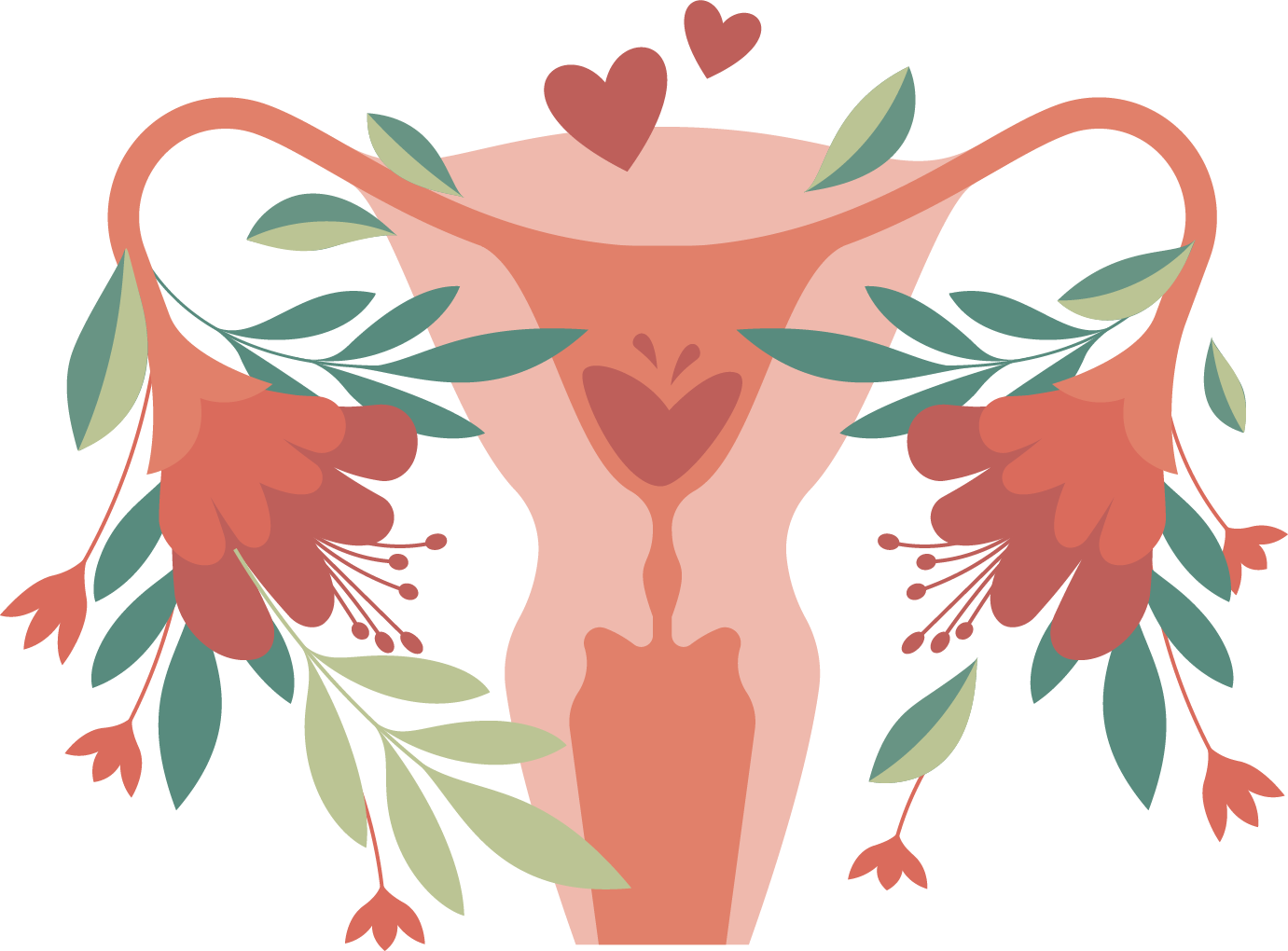
Endometriosis is a chronic inflammatory condition where tissue similar to the lining of the uterus grows outside the uterus.
It may be found on the ovaries, fallopian tubes, pelvic lining, bowel, bladder or nearby organs and can have a big effect on daily life, relationships, work, exercise, mental health and fertility.
Around 1 in 9 women and people assigned female at birth in Australia are affected by endometriosis.
Signs you may have endometriosis
Endometriosis symptoms can look different for every person, and pain levels do not always equate to the amount of endometriosis found during surgery.
Pelvic pain
Painful periods that interrupt normal activities
Pain during or after sex
Heavy or irregular bleeding
Bloating and painful bowel motions
Bladder urgency or pain around your period
Fatigue
Difficulty conceiving
Symptoms can follow a clear monthly pattern or become more constant. If you miss work, rely on pain relief, avoid sex because of pain or make plans around your period, Coastal Women’s Health can provide specialist support.
How is endometriosis diagnosed?
Endometriosis can be difficult to diagnose because symptoms can overlap with conditions such as irritable bowel syndrome, adenomyosis, ovarian cysts, pelvic inflammatory disease and bladder pain.
Dr Holden will start by talking with you about your symptoms, cycle, pain pattern, bleeding, bowel and bladder symptoms, previous treatment and fertility goals.
A pelvic examination may be recommended to check for tenderness, pelvic masses or signs of deep endometriosis. This is always discussed with you first.
How is endometriosis treated?
There is no single treatment that suits every patient. Your care plan will be based on your symptoms, age, previous treatments, fertility plans, imaging results and the impact endometriosis is having on your daily life.
Surgery is needed to diagnose endometriosis
Laparoscopy (also known as keyhole surgery) is the only way to confirm endometriosis with certainty.
Performed under general anaesthetic, a small camera is placed through an incision near the belly button so the pelvis can be examined. If endo is found, it can usually be treated during this same procedure.
Surgery is not always the first step. Dr Holden will discuss laparoscopy with you if pain is severe, symptoms are not improving, imaging suggests complex endometriosis or infertility is a concern.
-
Medical treatment may help reduce pain, suppress bleeding and improve daily symptoms. Options might include:
Anti-inflammatory pain relief
The combined oral contraceptive pill
Progestogen medication
Mirena hormonal IUD
Other hormonal suppression options
GnRH medications in selected situations
-
Surgery may be recommended when symptoms are significant, medical treatment has not helped, fertility is a concern or imaging suggests severe endometriosis.
Dr Holden performs laparoscopic endometriosis surgery to remove endometriosis lesions, treat ovarian endometriomas and release adhesions that cause pelvic organs to stick together.
Surgery can help treat visible endo, reduce pain for many patients and support family planning when endometriosis is affecting fertility.
-
To discuss your treatment options
> Book a Consultation
Recovery after laparoscopic endometriosis surgery
Recovery from laparoscopic endometriosis surgery depends on the extent of removal and repair, as well as your general health.
Most patients need around one to two weeks of downtime after laparoscopic surgery. Light activity is usually possible within a few days, but heavy lifting, intense exercise and physically demanding work may need to wait.
Dr Holden’s team provides post-operative instructions and follow-up planning so you know what to expect after surgery.
Frequently Asked Questions About Endo
-
Yes. Severe period pain in teenagers should not be dismissed. Missing school, vomiting, fainting, or needing strong pain relief can be signs that further assessment is needed.
-
Unfortunately, yes. Endometriosis symptoms can return after surgery, but many patients report a significant improvement in pain if endometriosis is removed. Surgery may also improve the chance of conceiving when endometriosis affects fertility. Ongoing care, such as hormonal treatment or pelvic floor physiotherapy, may help reduce recurrence.
-
Some patients manage symptoms with medication, hormonal treatment and allied health support. Surgery may be discussed when symptoms are severe, treatment has not helped, or fertility is a concern.
-
Endometriosis can cause bloating, constipation, diarrhoea, painful bowel motions or pelvic pain around your period. Bowel symptoms can also have other causes, so assessment matters. Women may also notice bladder urgency, pelvic pressure, pain when passing urine or bladder discomfort around menstruation from endometriosis.
-
Many women with endometriosis conceive naturally. IVF may be discussed if there are other fertility concerns, blocked tubes, reduced ovarian reserve, severe disease or a longer delay conceiving.
-
A GP referral is preferred and may help you access Medicare rebates. Referrals can be sent through HealthLink, Medical Objects or by email.

Dr Jessica Holden provides endometriosis diagnosis and management for patients across Bass Coast and nearby areas, including Wonthaggi, Cowes, Phillip Island, Inverloch, San Remo, Cape Paterson and Frankston.
If pelvic pain, painful periods, pain with sex, bowel symptoms or fertility concerns are affecting your life, ask your GP for a referral to Coastal Women’s Health for understanding and specialist care.
We welcome patients seeking routine care, second opinions or specialised gynaecology support.